
What Are Roof Eaves and Where Are They Found?
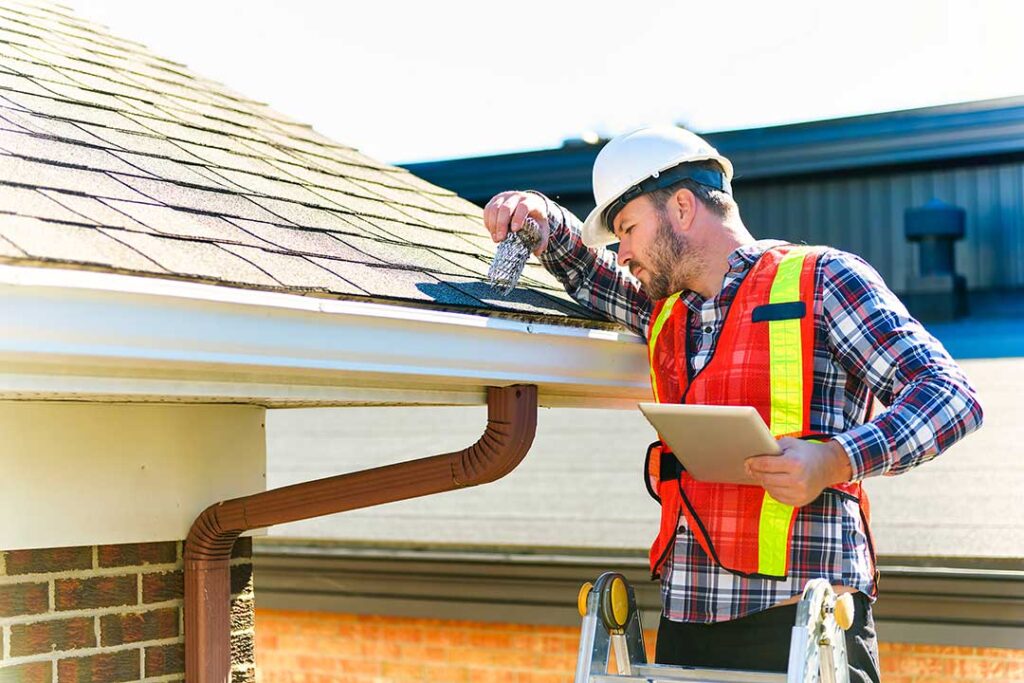
Roof eaves are the edges of a roof that extend beyond the exterior walls of a building. In nearly every home in Whitesboro, NY, you’ll notice these overhangs as a distinct feature, especially on older houses and those built with traditional gabled or hip roofs.
Extending out from the roof, the eaves often include the soffit (the underside), the fascia (the horizontal edge), and sometimes visible rafters. Their appearance and size may vary, but their presence is almost universal due to the region's climate and historical building practices.
Why Do Roof Eaves Matter in Whitesboro?
Roof eaves serve several vital roles for homes in Whitesboro, especially because the area experiences a mix of heavy snow, rain, and occasional wind-driven storms. The eaves manage water, protect the walls, and influence attic ventilation.
In more detail:
- Directing rain and snow away: By extending out, eaves help channel water away from the house’s siding and foundation, reducing the risk of moisture seeping into the walls or causing puddles near the base of the home.
- Protecting exterior surfaces: The sheltered area below the eaves shields windows, doors, and siding from direct rainfall and snow buildup, reducing maintenance and prolonging the life of paint and exterior finishes.
- Ventilating the attic: Eaves typically house soffit vents, a critical component for maintaining proper airflow through the attic. In climates with cold winters and warm summers like Whitesboro, good ventilation prevents ice dams and helps regulate home temperatures.
How Do Roof Eaves Affect Moisture and Drainage?
The eaves play a key defensive role against Whitesboro’s varied precipitation. Without properly designed and maintained eaves, rain and melted snow can drip down exterior walls or pool at the foundation’s edge, both of which contribute to leaky basements and structural damage.
Homes in the area are often equipped with gutters and downspouts attached to the eaves. These work together to:
- Catch water as it leaves the edge of the roof
- Direct it safely away from the home’s foundation
Older homes sometimes lack full gutter systems or have minimal eave overhangs, increasing the risk of water issues, especially during spring snowmelt or summer thunderstorms. Regularly clearing gutters and inspecting the eaves helps residents avoid unseen moisture problems.
Do Eaves Impact Energy Efficiency or Comfort?
Yes, especially in local homes with older attics or less insulation. The eaves—through integrated soffit vents—provide crucial intake air for attic ventilation. During Whitesboro’s snowy winters, this airflow helps keep the roof cold on the outside, which limits ice dam formation. In poorly vented homes, warm air escaping into the attic can melt snow on the roof, which then refreezes at the eaves, leading to potentially damaging ice dams.
During warmer months, effective eaves and ventilation keep attics from overheating, helping interior temperatures stay stable and reducing the load on home cooling systems.
Are All Roof Eaves the Same?
Eaves come in several designs, each with benefits and drawbacks depending on the style of the house and the needs of area households. The three most common types seen in Whitesboro are:
- Open eaves: Rafters are exposed underneath for a traditional look—common on older or craftsman-style homes.
- Closed/boxed eaves: Soffit and fascia fully enclose the overhang, keeping out birds and debris.
- No or minimal eaves: Very rare in older houses locally; some modern designs use little or no overhang, which may increase maintenance and moisture risks in the local climate.
Some homeowners mistakenly believe large eaves are only decorative; in fact, even modest overhangs play structural and environmental roles.
What Maintenance Do Roof Eaves Require?
Routine checks go a long way in preserving the condition and function of the eaves. Many issues that develop are preventable with basic observation and care:
- Inspect for peeling paint, rot, or water stains on the soffit or fascia boards, especially after heavy weather.
- Keep gutters clear of leaves and debris, particularly in autumn when trees shed their leaves around Whitesboro.
- Look for animals or birds nesting under open eaves, as they can block ventilation or cause damage.
- After snowstorms, check for ice buildup on the roof edge or dripping icicles, which may indicate ice damming or insulation issues.
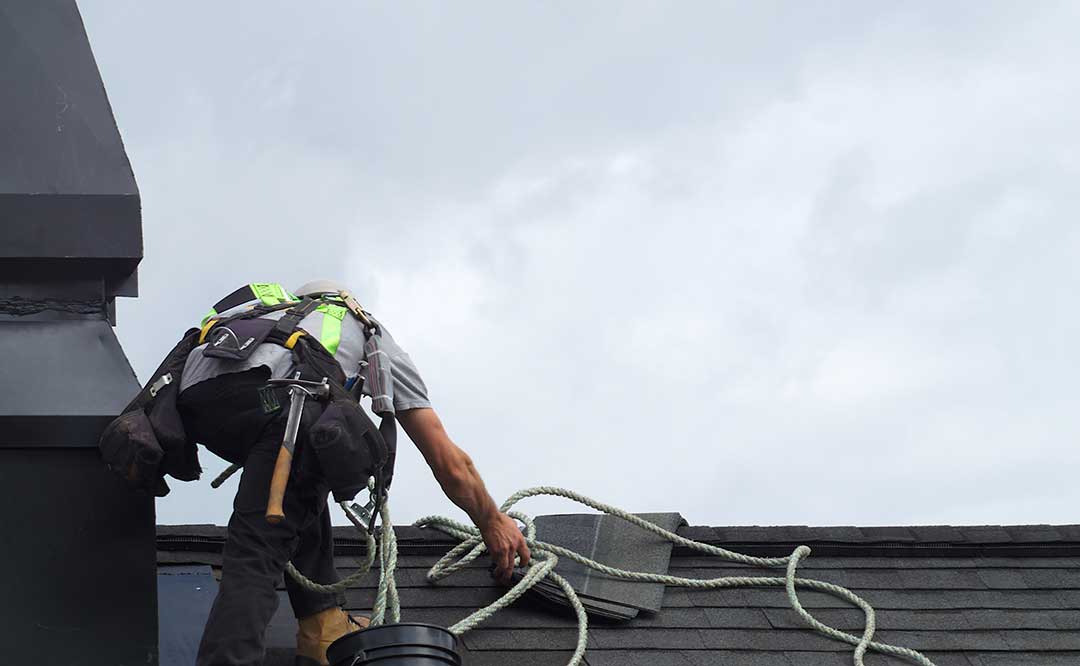
Neglected eaves can lead to leaks, pest intrusion, or more costly repairs down the line.
What Are Common Misconceptions About Eaves?
A few myths persist in local discussions and online forums:
- Myth: "Eaves don’t matter much if you have good siding."
*Reality:* Even the best siding needs protection from direct, repeated exposure to water, which eaves help provide.
- Myth: "Ice dams are only caused by snow on the roof."
*Reality:* Poor attic ventilation through the eaves is often the hidden culprit.
- Myth: "You only need to worry about eaves on new homes."
*Reality:* Regular maintenance is important for both new and older homes in the city.
How Does Local Architecture Influence Eaves Design?
Architecture in Whitesboro reflects New York’s varied weather. Many early- to mid-20th-century homes feature pronounced eaves as a direct response to regional precipitation patterns and building codes aimed at water handling.
Local regulations may affect how much eave overhang is allowed on new construction, especially if lot lines are close together. Some older neighborhoods have homes with distinctive eave trim and larger overhangs, highlighting the balance between aesthetics and practical sheltering functions.
Should Roof Eaves Ever Be Modified?
Modifying eaves—for example, during a roof replacement or when updating insulation—can be beneficial if done to correct inadequate overhangs, improve ventilation, or address moisture problems. Any changes should consider snow load, wind exposure, and the appearance of existing structures in the community.
For large structural changes or if signs of damage are discovered (such as sagging or widespread rot), professional evaluation may be warranted for safety or code compliance.
