
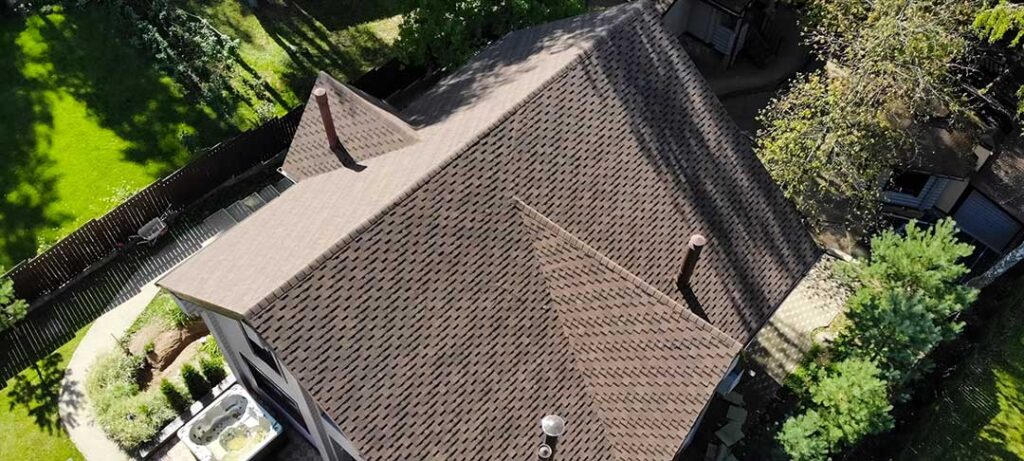
What Are Roof Fire Ratings?
Roof fire ratings classify how well roofing materials can withstand fire exposure. These ratings are determined through standardized laboratory testing and help homeowners, builders, and local authorities understand which materials provide safer levels of fire protection. The system gives clear, universal guidance for making safer roof choices, especially in communities with local code requirements or unique fire risks.
Why Do Roof Fire Ratings Matter for Homes in Whitesboro, NY?
Fire safety is an important consideration for Whitesboro residents. The area's seasonal climate—cold winters with frequent heating, potential lightning in late spring and summer, and densely spaced neighborhoods—means that preventing roof fires can protect both individual homes and neighboring properties. Local building codes often reference national standards for roofing fire resistance, especially for new installations or when replacing roofs after storms.
Choosing a roof with a high fire rating adds another layer of protection beyond smoke alarms and fire extinguishers. It limits how quickly fire can spread across your home, especially in emergency situations like nearby house fires, downed power lines, or embers carried by the wind.
How Do Roof Fire Ratings Work?
Roof fire ratings are typically classified into three main categories: Class A, Class B, and Class C. These classes reflect how well roofing materials resist fire and prevent flames from spreading.
- Class A: Highest level of fire resistance. These materials can withstand severe fire exposure and are effective at limiting flame spread. Common in modern asphalt shingles, some metal roofs, clay tiles, and certain synthetic products.
- Class B: Moderate fire resistance. These materials can stop moderate fire exposure but might not hold up to intense flames. Generally less common for residential new roofs in areas where higher safety standards are required.
- Class C: Lowest approved rating. These materials can resist light fire exposure only and may allow flames to spread more easily.
Unrated roofing materials offer little to no tested fire protection and are generally not allowed under local building codes for new construction in most residential areas.
What Tests Are Used to Determine Fire Ratings?
Manufacturers' products are tested using standards from organizations like Underwriters Laboratories (UL) or ASTM International. Tests assess:
- How long the roofing materials withstand direct flames
- Whether burning materials fall through to the structure below
- How far flames can spread across the roof surface
A Class A rating, for example, means the roof will limit fire spread and suppress flames for at least two hours under test conditions similar to those that might occur if embers, burning debris, or radiant heat land on a roof.
What Roofing Materials Commonly Meet Class A Standards?
In Whitesboro, the most popular and widely available Class A options include:
- Asphalt fiberglass shingles: Many standard models achieve a Class A rating when installed over an approved underlayment.
- Metal roofing: Steel, aluminum, and copper roofs naturally resist fire and often meet Class A criteria.
- Concrete and clay tiles: Excellent resistance, especially when properly installed with rated underlayment.
- Slate: Noncombustible and extremely durable, but often more expensive and heavier.
Wood shingles and shakes are rarely Class A on their own, but some treated products with special fire-resistant coatings can meet higher standards if properly installed.
Are Higher Fire Ratings Required by Local Building Codes?
Whitesboro follows state and national building codes, which generally require new residential roofs to be at least Class B. However, most homes, especially in densely built neighborhoods or near public streets, will use Class A-rated materials.
If you're planning roof replacement or repairs, local permitting offices can clarify the specific requirements for your address. In general, higher fire ratings are either recommended or mandatory for new installations.
Can Older Roofs Be Upgraded for Better Fire Protection?
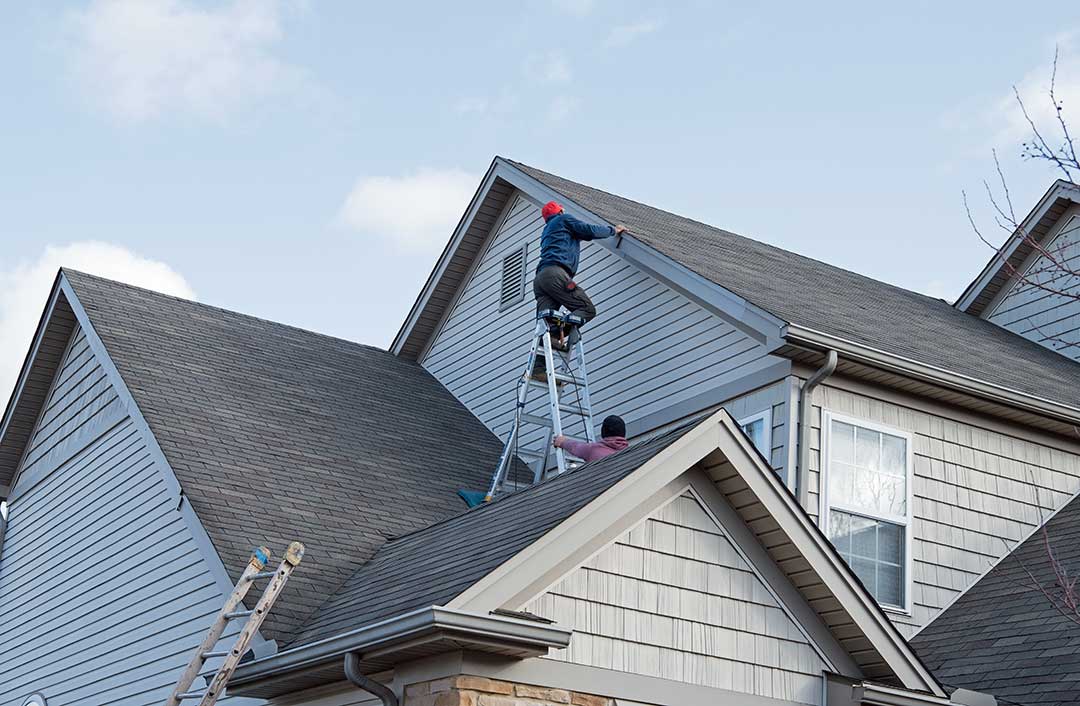
Existing roofs that were installed before modern codes may not have today's fire ratings. If a roof is still in good condition and reroofing isn't immediately necessary, it's sometimes possible to improve fire resistance through these approaches:
- Applying fire-resistant coatings to some wood shakes or shingles
- Adding or replacing fire-resistant underlayment beneath new shingle layers
- Upgrading attic ventilation screens to prevent embers from entering
Significant upgrades almost always require coordination with local inspection agencies to meet code, especially for multi-family or rental properties.
What Are Common Misconceptions About Roof Fire Safety?
Some local residents may believe that metal, tile, or slate roofs are entirely "fireproof." In reality, while these materials are noncombustible, the overall fire resistance depends on the complete roof assembly, including underlayment, decking, and ventilation. Even a Class A roof will not guarantee that a home resists every fire scenario.
Another misconception is that fire ratings are mainly relevant in forested areas prone to wildfires. While wildfire risk is lower in Whitesboro compared to western states, wind-driven embers, fireworks, or neighborhood fires still pose real threats that roof fire ratings help address.
What Factors Besides Roofing Material Affect Fire Safety?
A roof's fire resistance depends on more than just the surface material. Some overlooked factors include:
- Underlayment type and quality
- The presence of gaps, cracks, or loose tiles/shingles
- How well the roof is maintained—clogged gutters and accumulated debris can ignite easily
- Proximity to overhanging trees, woodpiles, or nearby buildings
Regular cleaning, timely repairs, and avoiding flammable materials near the home can greatly reduce fire risk, with or without a Class A roof.
Where Can Residents Find Reliable Fire Rating Information?
Roofing product packaging, technical sheets, and manufacturer websites all list fire ratings. The most trustworthy information is found on the UL (Underwriters Laboratories) label, UL directories, or other nationally recognized testing agencies.
For homes in Whitesboro, local building officials provide the final word on what ratings are required or recommended for any planned work. Area homeowners looking to gather information for planning or budgeting can also check the National Roofing Contractors Association (NRCA) public guides or inquire about product test certifications.
