
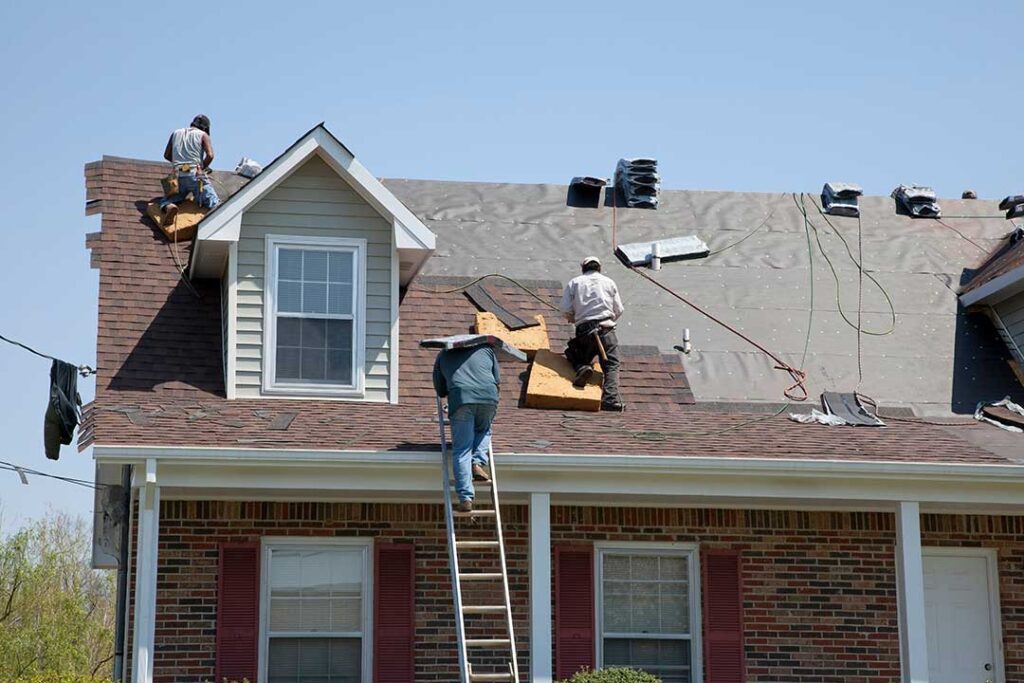
Roofing material affects more than appearance. It influences how a home handles snow, ice, wind, summer heat, maintenance, repairs, and long-term ownership costs. For households in Whitesboro, NY, the most suitable choice usually depends on roof slope, attic ventilation, structural capacity, budget, and how long the property is expected to be occupied.
No roofing material is ideal for every home. Each option involves tradeoffs between initial cost, service life, weight, weather resistance, maintenance, and visual character.
Which roofing materials are most common for local homes?
Asphalt shingles are the most widely used choice for residential roofing because they are familiar, relatively affordable, and available in many colors and styles. Metal roofing, architectural shingles, wood shakes, synthetic products, and slate are also used, although they serve different needs and budgets.
The most common categories include:
- Three-tab and architectural asphalt shingles
- Standing-seam or exposed-fastener metal roofing
- Wood shingles and shakes
- Synthetic composite roofing
- Clay or concrete tile
- Natural slate
Roof shape matters as much as the material itself. A steeply sloped roof sheds snow and water more easily, while a low-slope roof requires careful attention to drainage and underlayment. Older homes may also need structural review before heavier materials are considered.
What are the advantages and disadvantages of asphalt shingles?
Asphalt shingles offer the broadest balance of affordability, appearance, and repairability. They are generally suitable for many pitched residential roofs, but their service life can be shortened by poor ventilation, repeated ice buildup, algae, wind damage, or installation over uneven surfaces.
Advantages
- Lower initial cost than most premium roofing materials
- Wide range of colors and textures
- Relatively simple to repair or replace in sections
- Compatible with many existing residential roof designs
- Lighter than tile, concrete, or slate
- Familiar to most building inspectors and roofing contractors
Architectural shingles are thicker and more dimensional than basic three-tab shingles. They often provide better wind resistance and a more substantial appearance, although the product quality and installation details still matter.
Disadvantages
- Typical service life is shorter than metal, slate, or some synthetic products
- Shingles can lose granules after hail, foot traffic, or age
- Dark colors may absorb more heat in summer
- Wind can lift or damage shingles, especially at exposed roof edges
- Ice dams can cause water to back up beneath the shingle courses
- Repairs may be noticeable when replacement shingles do not match
For homes in Whitesboro, regular removal of excessive roof snow should be approached cautiously. Walking on shingles can cause damage, and snow removal can create safety hazards. Ice-dam prevention usually depends more on proper attic insulation, air sealing, ventilation, and roof-edge detailing than on the shingle material alone.
Is metal roofing a good choice for snowy climates?
Metal roofing can perform well in areas with cold winters because smooth panels shed snow more readily than many textured materials. It is durable and available in styles that resemble shingles, but it requires careful detailing around penetrations, valleys, edges, and areas where falling snow could create a hazard.
Advantages
- Long service life when properly installed and maintained
- Strong resistance to wind, fire, insects, and moisture
- Snow often slides off more easily
- Lightweight compared with slate or concrete tile
- Reflective finishes can reduce summer heat gain
- Can be installed over some existing roofing systems when conditions allow
Disadvantages
- Higher initial cost than standard asphalt shingles
- Snow sliding from a steep metal roof can damage gutters, landscaping, or people below
- Rain and hail may sound louder without adequate attic insulation
- Scratches or coating damage can lead to corrosion if neglected
- Expansion and contraction require proper fastening and detailing
- Repairs may require matching specialized panels or finishes
Metal roofs are not maintenance-free. Fasteners, sealants, trim, and flashing can age differently from the panels. Snow guards may be appropriate above entrances, walkways, or lower roof sections.
What should homeowners know about wood shingles and shakes?
Wood roofing has a natural appearance that suits some older, traditional, or architecturally distinctive homes. Shingles are usually machine-cut and more uniform, while shakes have a rougher, more textured appearance. Both require more maintenance than most asphalt or metal systems.
Strengths
- Distinctive natural appearance
- Can provide useful insulation value
- May weather attractively when properly maintained
- Appropriate for certain historic or traditional designs
Limitations
- Vulnerable to moisture retention, rot, mold, and insect damage
- Require attention to ventilation and spacing
- Can be more difficult to insure or maintain
- May not perform well where leaves and debris remain trapped
- Fire resistance varies by product and treatment
- Individual replacement pieces may weather differently
A shaded roof surrounded by mature trees may be a poor setting for untreated wood roofing because slow drying encourages deterioration. Nearby branches should also be kept from rubbing against the surface.
Are synthetic roofing materials worth considering?
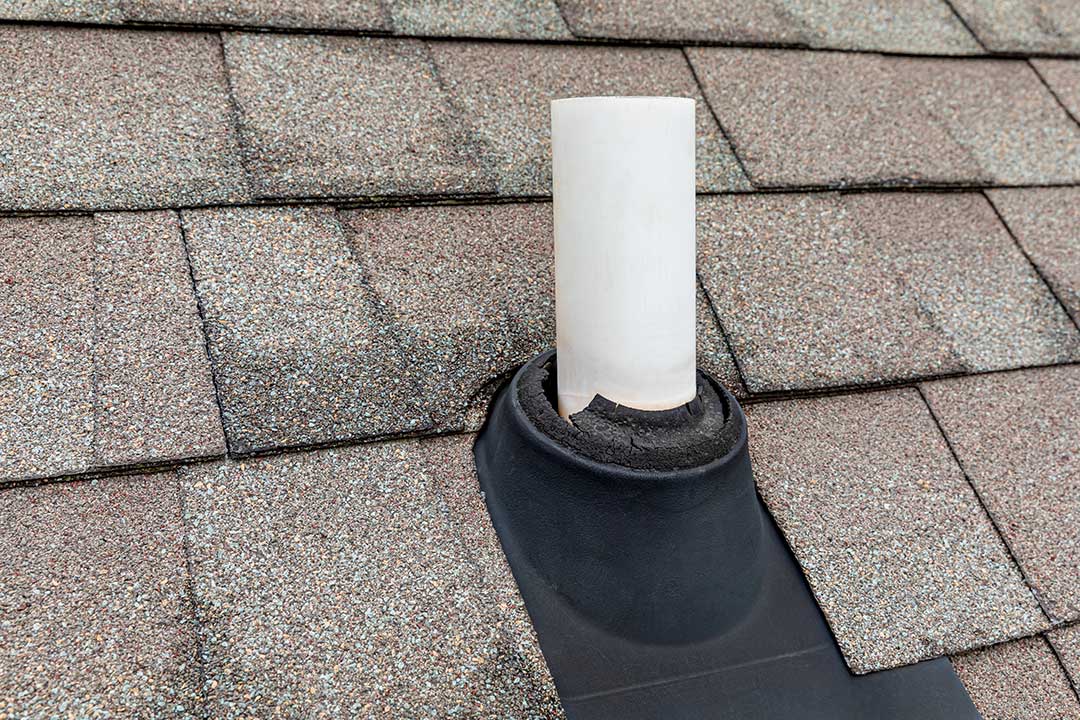
Synthetic roofing products are designed to imitate slate, wood, or other premium materials while reducing weight and, in some cases, maintenance demands. Their performance varies substantially by manufacturer and product design, so general claims should be treated carefully.
Potential benefits
- Lower weight than natural slate or tile
- Consistent appearance
- Resistance to rot and insects
- Some products tolerate impact and temperature changes well
- Can suit homes where a traditional appearance is desired without the structural demands of stone
Potential drawbacks
- Higher cost than common asphalt shingles
- Long-term performance depends heavily on product quality
- Color and texture may look less natural than the material being imitated
- Replacement pieces may be difficult to match years later
- Recycling options may be limited
Synthetic roofing can be useful when appearance and weight are important, but product documentation, warranty terms, fire classification, and cold-weather performance deserve close review.
What are the pros and cons of slate, tile, and concrete roofing?
Slate, clay tile, and concrete tile can last for decades or longer, but they are heavy and expensive systems that require compatible roof framing and specialized installation.
Natural slate offers exceptional durability and a distinctive appearance. Its disadvantages include high material and labor costs, substantial weight, and the need for careful handling because individual pieces can crack.
Clay and concrete tile resist rot, insects, and fire, and they can provide strong visual character. However, tile may crack under impact or improper foot traffic, and its weight may exceed what some existing homes were designed to support. Freeze-thaw conditions also make correct installation and drainage especially important.
These materials are usually better suited to homes designed or evaluated for them rather than as simple replacements for lightweight shingles.
Which roofing material is easiest to maintain?
Asphalt shingles are generally the easiest and least expensive to repair, while metal, slate, and tile may offer longer service lives but require more specialized repairs. Maintenance needs are also shaped by the roof design and surrounding property.
Important maintenance factors include:
- Keeping valleys and drainage paths clear
- Inspecting flashing around chimneys, skylights, and vent pipes
- Trimming branches that can scrape or puncture roofing
- Watching for lifted, cracked, curling, or missing materials
- Checking attic insulation and ventilation
- Looking for water stains after heavy rain or rapid snowmelt
A durable material cannot compensate for poor flashing, inadequate ventilation, blocked drainage, or unsafe roof access.
How should a homeowner compare roofing options?
The most practical comparison considers the entire roofing system rather than the surface material alone. A lower-cost material may be reasonable if the roof design is simple and the attic is well ventilated. A longer-lasting material may make sense for a home intended to remain in the family for many decades.
Useful questions include:
- Can the existing framing support the material?
- How does the roof handle snow and ice?
- Is the roof steep enough for the product?
- How readily can damaged sections be repaired?
- Will the material create snow-slide risks?
- Are replacement materials likely to remain available?
- Does the appearance fit the home and neighborhood?
- What maintenance is realistic for the household?
For most residences, asphalt shingles provide the simplest balance of cost and practicality. Metal can be a strong option where long service life and snow-shedding behavior matter. Slate, tile, wood, and synthetic products may be appropriate when their specific advantages justify greater cost, weight, or maintenance requirements.
Roofing decisions are best evaluated as part of the whole building envelope: roof covering, underlayment, flashing, insulation, ventilation, gutters, and drainage all affect how well the system performs through the region’s changing seasons.
