
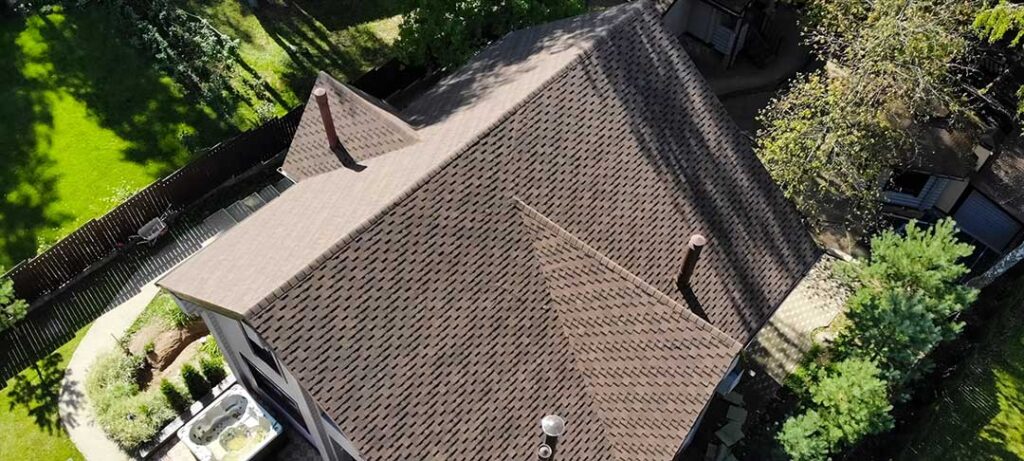
A roof can collect leaves, moss, algae, lichen, dirt, and airborne debris over time. In Whitesboro, NY, repeated freeze-thaw cycles, snow, shade, and damp spring or fall weather can leave roofing materials wet and slippery. Cleaning a roof safely means removing buildup without damaging shingles, creating a fall hazard, or sending polluted runoff into gardens and drainage areas.
Should every roof be cleaned?
No. Roof cleaning is useful when buildup is affecting drainage, holding moisture against the roof surface, or creating conditions that may shorten the life of roofing materials. Light surface discoloration does not always require immediate treatment.
Look for:
- Thick moss that lifts or separates shingles
- Algae streaks that are spreading across shaded roof sections
- Leaves and twigs collecting around chimneys, valleys, and roof edges
- Debris blocking gutters or downspouts
- Plants growing from accumulated organic material
- Damp areas that remain wet well after rainfall or snowmelt
A few dark streaks may be cosmetic algae rather than structural damage. Moss is more concerning because its root-like structures can work beneath shingle edges and retain moisture. Cleaning should address the cause of the buildup rather than simply trying to make the roof look new.
What should be checked before cleaning?
The roof should be inspected from the ground before anyone climbs a ladder. Look for visibly missing, curled, cracked, or loose shingles, sagging areas, exposed underlayment, damaged flashing, and branches touching the roof.
Do not begin a do-it-yourself cleaning project if:
- The roof is steep, wet, icy, or covered with frost
- Wind, rain, or thunderstorms are expected
- The roof has multiple levels or difficult access points
- The surface is fragile, deteriorated, or visibly damaged
- A ladder cannot rest securely on stable, level ground
- Walking would require stepping on skylights, plastic roof vents, or brittle roofing
- The cleaner would need to work near overhead electrical lines
A roof can remain dangerous even when it appears dry. Granules on asphalt shingles provide limited traction, and algae or moss can make the surface unexpectedly slick.
Is pressure washing safe for asphalt shingles?
Pressure washing is generally not a safe cleaning method for asphalt shingles. High-pressure water can dislodge protective granules, force water beneath shingles, damage flashing, and shorten the remaining life of the roof. It can also spread debris onto siding, windows, attic vents, and nearby landscaping.
The same caution applies to aggressive brushing, scraping, or using a stiff metal tool. Removing moss by force may pull away shingle granules or break the seal that helps shingles resist wind.
A safer approach is usually low-pressure application of an appropriate roof-cleaning solution, followed by natural weathering and gentle rinsing only when the product directions permit it. Product labels should be read carefully, since some cleaners are intended for specific roofing materials and dilution levels.
How can a roof be cleaned with less risk?
For a low-slope, easily accessible roof in good condition, cleaning should be planned around dry, calm weather. The roof should not be wet from rain, dew, frost, or melting snow.
A careful process includes:
1. Protect the surrounding area. Cover or wet nearby plants according to the cleaner’s instructions. Keep runoff away from ponds, vegetable gardens, and areas where pets or children play.
2. Clear loose debris from the ground or roof edge. Use a soft-bristled tool from a safe position, without prying beneath shingles.
3. Apply a compatible cleaning solution. Follow the manufacturer’s dilution, contact time, and rinsing instructions. Never mix cleaning chemicals, especially products containing bleach with acids or ammonia.
4. Allow the solution to work. Moss and algae may loosen gradually rather than disappearing immediately. Scrubbing harder is not necessarily safer or more effective.
5. Rinse only as directed. Use low pressure and keep water directed downward, never underneath shingle edges, flashing, or vent openings.
6. Inspect gutters and downspouts. Remove loosened debris so it does not create a blockage during the next rain.
For many roofs, the safest cleaning work is performed from a ladder or lift rather than by walking across the roofing surface. If the roof cannot be reached without climbing onto a hazardous area, cleaning should not be attempted as a routine household task.
What equipment is appropriate?
Basic equipment should reduce slipping, chemical exposure, and damage to the roof. Depending on the situation, useful items may include:
- Stable extension ladders placed on firm, level ground
- Soft footwear with clean, non-marking soles
- Eye protection and chemical-resistant gloves
- Long sleeves and clothing appropriate for the cleaning product
- A garden hose with a gentle spray setting
- Soft brushes or tools designed for delicate roofing surfaces
- Plastic sheeting or breathable covers for nearby plants
- A bucket or container for collecting loose debris
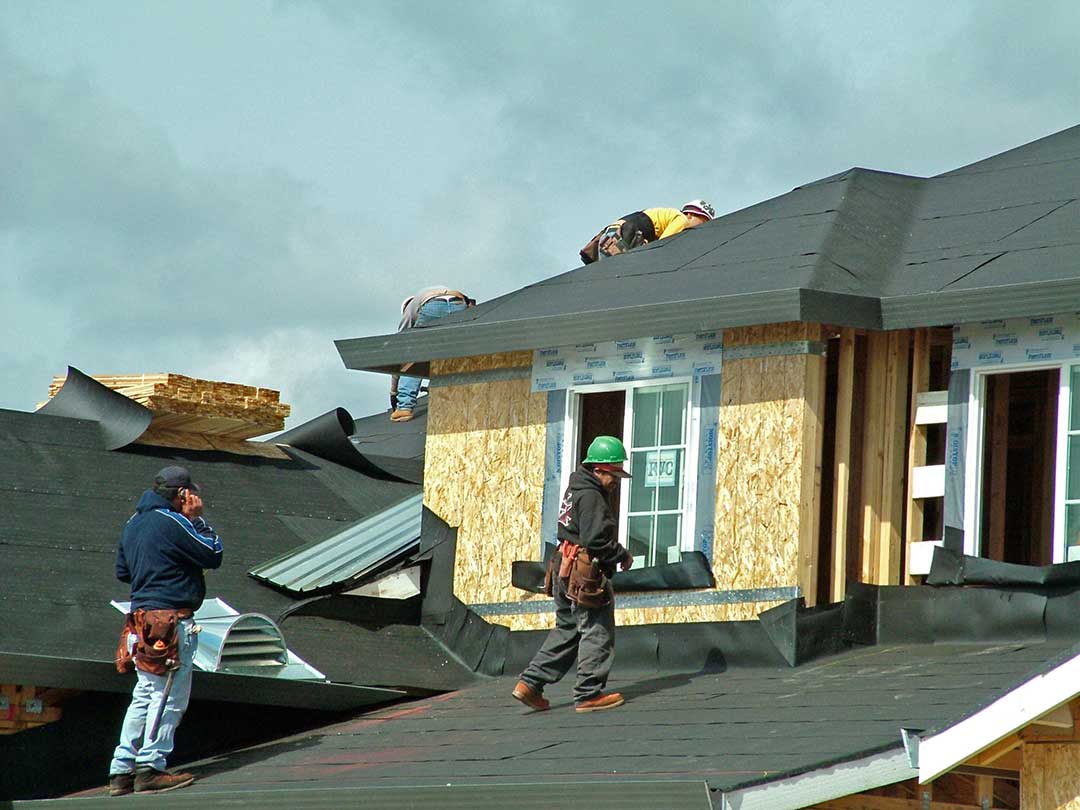
Avoid using a garden hose at full pressure, a pressure washer, metal scrapers, roofing nails as makeshift tools, or any equipment that requires leaning beyond a ladder’s safe working position.
How should moss and algae be treated differently?
Algae typically appears as dark green, brown, or black streaks and may spread across shaded roof areas. It can often be treated with a compatible low-pressure cleaner, although the discoloration may fade gradually.
Moss forms a thicker, raised layer. It should not be ripped away while dry because that can remove roofing granules and damage shingle edges. After treatment has loosened the growth, only gentle removal should be considered, and heavy moss may indicate that moisture is being held against the roof for long periods.
Cleaning alone may not prevent regrowth. Overhanging branches, poor sunlight, blocked gutters, and nearby organic debris can keep the roof damp. Improving airflow and reducing debris near the roof may help, but branches should not be cut from a ladder or roof surface.
Is bleach safe for roof cleaning?
Bleach-based products can damage plants, corrode some metals, discolor siding, and harm aquatic life if runoff is uncontrolled. They may also be unsuitable for certain roofing materials. A product being effective against algae does not mean it is safe at any concentration or application method.
Always follow the product label, use the required protective equipment, and keep cleaners away from children, pets, wells, storm drains, and food-producing plants. Never combine bleach with ammonia, acids, or other household cleaners. If the roof surface or cleaning product is unfamiliar, testing a small, inconspicuous area is safer than treating the entire roof.
When should roof cleaning be postponed?
In the local climate, late fall and winter conditions can make roof work especially risky. Snow, ice, freezing temperatures, and short daylight hours increase the chance of falls and can prevent cleaning solutions from working correctly. Early spring may also bring wet surfaces and saturated ground around ladder locations.
Postpone cleaning during:
- Freezing or near-freezing weather
- Rain, fog, frost, or strong wind
- Periods of heavy snow or active snowmelt
- Conditions that prevent secure ladder placement
- Times when runoff could freeze on walkways or entry areas
The safest timing is generally a dry, calm period when the roof and surrounding ground can remain stable throughout the work.
What should be done after cleaning?
Afterward, check for loose shingle granules in gutters, damaged flashing, exposed fasteners, and remaining moss beneath shingle edges. Confirm that gutters and downspouts are open and that runoff has not damaged plants or collected near the foundation.
If cleaning reveals deteriorated roofing, leaks, sagging, widespread moss, or areas that cannot be reached safely from the ground or a secure access point, further work should stop. At that stage, the concern is no longer simple surface maintenance; it involves roof condition, fall protection, or water-management risks that should be evaluated by a qualified roofing professional.
