
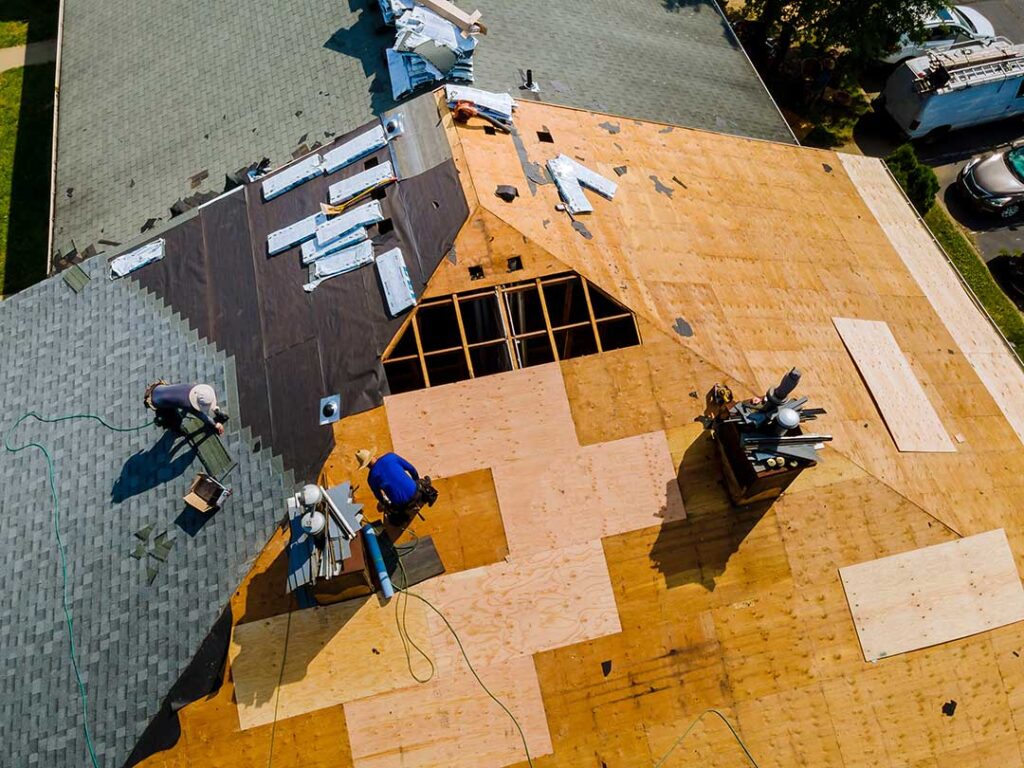
A roof lasts longer when moisture, ice, heat, wind, and small defects are addressed before they become larger problems. For households in Whitesboro, NY, seasonal temperature swings and winter weather make routine observation and maintenance especially valuable.
What shortens a roof’s useful life?
The most common causes of premature roof aging are moisture intrusion, poor attic ventilation, neglected drainage, storm damage, and repeated installation or repair problems. Normal aging is unavoidable, but many damaging conditions can be reduced.
Snow and ice place added stress on roofing materials during winter. Freeze-thaw cycles can enlarge small cracks, loosen flashing, and create openings around roof penetrations. Summer heat and ultraviolet exposure can also dry or weaken asphalt-based materials over time.
Other problems develop gradually:
- Clogged gutters allow water to back up beneath roof edges.
- Missing or damaged shingles expose underlayment and roof decking.
- Poor attic airflow traps heat and moisture.
- Overhanging branches scrape roofing and drop debris.
- Moss, algae, or leaf buildup can keep surfaces damp.
- Foot traffic can break shingles or damage flashing.
A roof does not always fail because of one major event. More often, several small issues remain unaddressed until water reaches the attic or living space.
How often should a roof be inspected?
A practical schedule is to look over the roof from ground level twice a year and after significant wind, hail, or heavy snow events. Spring and early fall are useful times because they follow winter stress and precede the colder months.
A ground-level inspection should look for:
- Shingles that are missing, curled, cracked, or visibly lifted
- Dark areas that may indicate moisture or material deterioration
- Sagging rooflines
- Damaged or loose gutters and downspouts
- Exposed or rusted flashing around chimneys, vents, and roof edges
- Granules collecting heavily in gutters
- Branches or debris resting on the roof
The attic can provide earlier warning than the ceiling below. During daylight, look for visible openings around roof penetrations. After rain or melting snow, check for damp insulation, water staining, musty odors, or darkened wood. Not every stain is active, but a new or enlarging stain deserves attention.
Walking on a roof is unnecessary for most homeowners and can be hazardous, particularly when the surface is wet, icy, steep, or weakened. A ground-level and attic review is safer for routine observation.
Why do gutters and drainage matter so much?
Proper drainage helps keep water away from the roof edge, siding, foundation, and attic. Gutters should be cleared when leaves and roof granules begin to restrict flow, commonly in late spring and again after autumn leaf drop.
Downspouts should discharge water far enough away from the foundation to prevent pooling. Extensions should remain connected and free of ice, soil, and debris. During a rainstorm, observe whether water flows steadily or spills over the gutter edge.
Ice dams can develop when heat escapes into a cold attic and melts snow on the warmer portions of the roof. The water may refreeze near the colder eaves and back up beneath shingles. Good attic insulation, continuous air sealing, and adequate ventilation help reduce the uneven roof temperatures that contribute to ice dams.
Removing snow from a roof can be dangerous and may damage shingles if done improperly. Heavy accumulation, large ice formations, or signs of structural stress should be treated as safety concerns rather than routine maintenance tasks.
How can attic ventilation and insulation extend roof life?
A well-balanced attic helps control heat and moisture. Insulation slows heat transfer from the living space, while ventilation allows warm, humid air to leave the attic. Both functions matter.
Excess attic moisture can contribute to:
- Damp insulation
- Mold or mildew growth
- Wood deterioration
- Rusted fasteners
- Roof sheathing damage
- Frost accumulation in winter
Ventilation should not simply mean adding more vents without considering how air enters and exits. Intake and exhaust openings need to work together, and vents should not be blocked by insulation. Bathroom and kitchen exhaust fans should discharge outdoors through properly sealed ducts, not into the attic.
In older homes, attic insulation and air sealing may have been installed to standards that no longer match current conditions. Improvements should preserve safe clearance around heat-producing equipment and electrical components.
What maintenance is safe for homeowners?
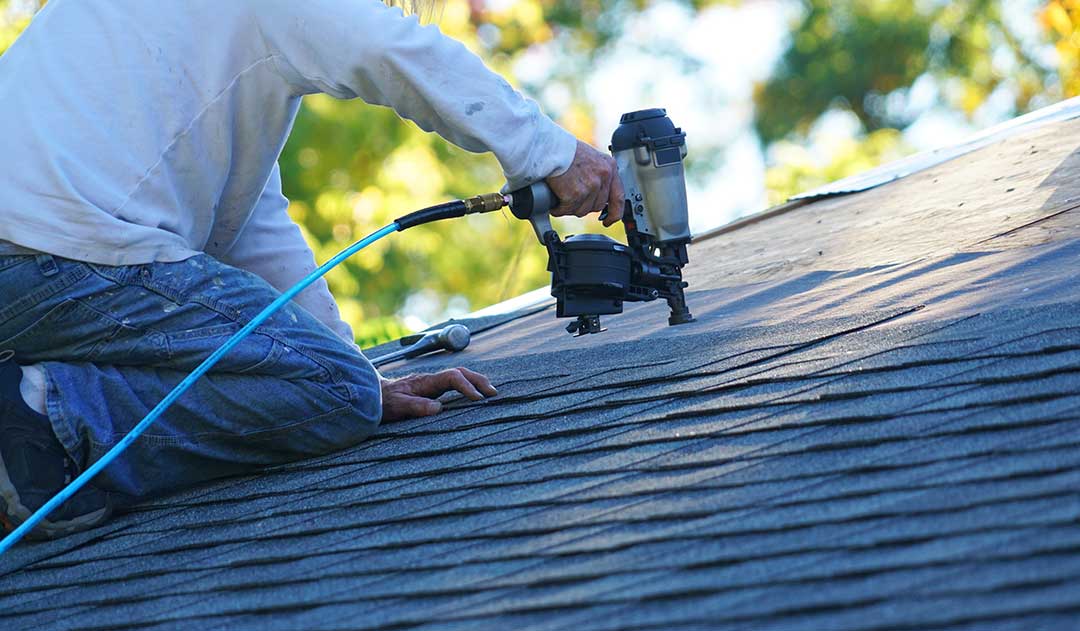
Homeowners can safely handle several low-risk tasks from the ground or a stable ladder position, provided conditions are dry and secure. These include clearing accessible gutter debris, trimming branches away from the roof, checking attic signs of moisture, and documenting changes with photographs.
Avoid:
- Using pressure washers on shingles
- Scrubbing asphalt shingles aggressively
- Applying unapproved coatings or sealants
- Nailing loose shingles without understanding the underlying damage
- Covering a leak without finding its source
- Walking on brittle, icy, or steep roofing
- Removing heavy snow while standing beneath an unstable roof edge
Roof leaks can travel along rafters, roof decking, insulation, and wall cavities. The spot where water appears indoors may be several feet away from the actual entry point. A bucket can limit immediate interior damage, but it does not correct the roof defect.
Which roof details deserve extra attention?
Roof penetrations and transitions are frequent trouble spots. These include chimneys, plumbing vents, skylights, valleys, dormers, roof-to-wall joints, and areas where different roofing materials meet.
Flashing should lie flat and remain securely attached. Sealant can deteriorate, but adding new caulk over old, failed material may only delay the problem. Damaged flashing, exposed fasteners, or open joints may allow water into the roof assembly.
Roof edges also deserve attention because wind can lift shingles there more easily. Loose gutters, damaged fascia, and missing drip-edge components can expose wood to repeated wetting. Keeping water moving cleanly from the roof surface into the gutter system helps protect these vulnerable areas.
How should repairs be prioritized?
Active leaks, sagging areas, exposed roof decking, and large sections of missing shingles require prompt attention. A small isolated issue, such as one damaged flashing component, may be manageable if addressed quickly, while widespread granule loss or brittle shingles may indicate that patching will provide limited benefit.
Useful records include:
- The date and location of each inspection
- Photos of damaged areas
- Notes about leaks, staining, or ice buildup
- Approximate roof age and previous repairs
- Gutter-cleaning and storm dates
These records make it easier to distinguish a new problem from an old stain and to recognize recurring trouble after winter weather.
When does maintenance stop being enough?
Maintenance can extend the life of sound roofing, but it cannot reverse widespread material failure or structural damage. Warning signs that the roof may require more extensive evaluation include repeated leaks, widespread curling or cracking, sagging decking, extensive exposed underlayment, and large areas of missing granules.
Safety and building-code concerns also justify qualified assistance, particularly when work involves steep roofs, structural repairs, electrical equipment, chimney areas, or conditions that cannot be safely reached from the ground. Any repair should address the source of the water, not merely conceal the interior symptom.
For local households, the most effective long-term approach is a regular cycle of observation, drainage maintenance, attic moisture control, and timely correction of small defects. That routine helps a roof withstand the region’s changing seasons while reducing the chance that a minor weakness becomes major interior damage.
