

Why Should Local Homeowners Inspect Their Roofs?
Routine roof inspections help homeowners in Whitesboro spot small issues before they become big repairs. Regular checks reveal problems caused by the area’s snowy winters, spring rains, and occasional windstorms, allowing residents to address them safely and cost-effectively.
The climate here can accelerate roof wear, especially on aging shingles or older homes. Inspections prevent leaks, protect insulation, and maintain your home’s energy efficiency. Overlooked damage can lead to mold or structural concerns, so being proactive is well worth the effort.
How Often Should Inspections Be Done?
Check your roof twice yearly—usually every spring and fall—plus after severe weather. These seasons mark the points when weather shifts put new stress on roofing materials. After heavy snow, ice, wind, or hail, a quick visual check can catch damage before water gets in.
Homes surrounded by large trees may also need extra monitoring after big wind events due to the risk of falling branches or debris.
What Are the Signs a Roof Needs Attention?
Visible signs often signal a need for repair or closer inspection. Homeowners can watch for:
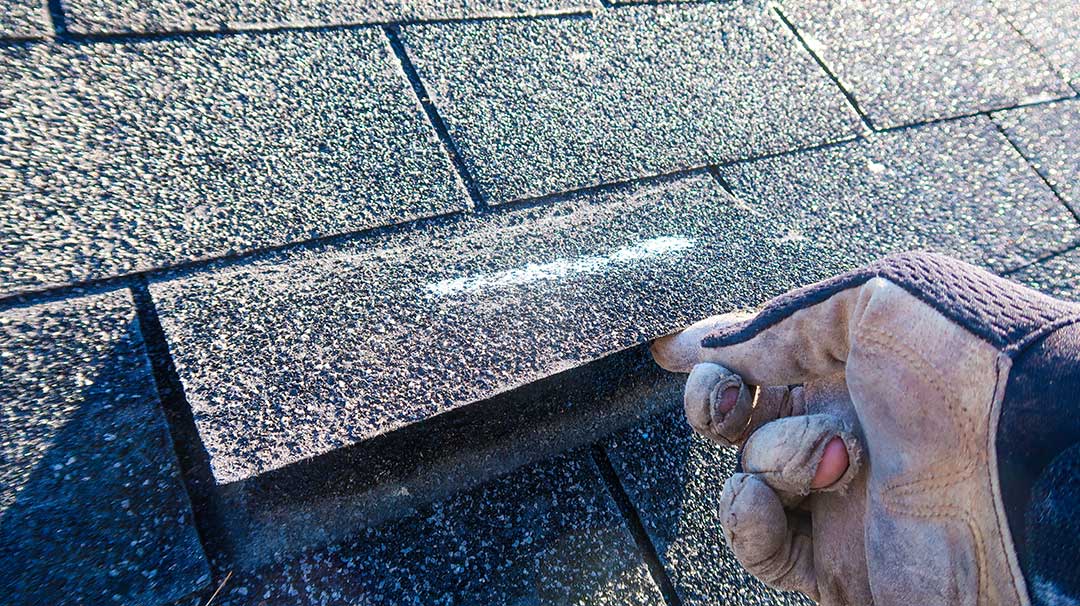
- Missing, cracked, curled, or damaged shingles
- Shingle granules collecting in gutters or at downspouts
- Rusted, bent, or loose flashing near chimneys, vents, or roof valleys
- Moss, algae, or mold growth, especially on shaded areas
- Sagging rooflines or soft spots when viewed from the ground
- Wet spots or stains on ceilings and attic beams inside
Residents may overlook subtle changes, like slightly lifted shingles or granules washing away, that can allow moisture underneath. Early detection helps avoid interior leaks and costly structural repairs.
What Tools or Gear Are Needed?
Homeowners don’t need specialized equipment, but a few basic items make the process safer and easier:
- Binoculars for inspecting the roof from the ground, reducing the risk of falls
- A sturdy (and dry) ladder if closer access is needed—always follow ladder safety guidelines and never climb onto steep or slippery roofs
- Work gloves to protect hands from rough materials or debris
- A notepad or smartphone to record findings or take photos for reference
Avoid walking on the roof if possible, especially when surfaces are wet, icy, or unfamiliar.
Can Homeowners Inspect Roofing from Inside the House?
Yes, the attic or top floor often reveals problems not visible outside. Residents can look for:
- Dark streaks, stains, or signs of moisture on rafters or plywood sheathing
- Musty odors indicating mold or mildew
- Sunlight visible through the roof deck, which points to gaps or holes
- Insulation that appears damp or compressed
Inspecting inside is especially helpful during or after heavy rain, as new leaks or drips are easier to spot.
What Should Homeowners Do If They Spot a Problem?
Document the concern with photos and written notes, then monitor for changes after future storms. For small, non-leaking issues—like a few loose shingles—monitoring is usually sufficient until the next routine maintenance. Issues involving active leaks, large holes, or clear safety hazards (such as bowing or severe sagging) should be addressed without delay for safety and property protection. Avoid any repair attempts if electrical wires, extensive water damage, or signs of structural weakness are present.
Are There Elements Unique to Roofs in Whitesboro?
Homes in this area often have steeper pitches and reinforced structures to handle snow loads. Winter weather can cause ice damming at roof edges, forcing water back under shingles. Look for signs of ice buildup along eaves after cold snaps, and inspect attic ventilation to ensure moisture escapes properly.
Many homes use architectural shingles or metal panels chosen for durability in freeze-thaw cycles. Aging roofs may develop problems sooner due to years of heavy snow and melting cycles.
What Maintenance Steps Prevent Future Issues?
A few simple habits can make inspections easier and keep roofs in good shape:
- Keep gutters and downspouts clear so water flows off the roof freely
- Trim overhanging branches to reduce shade, limit moss growth, and prevent damage from falling debris
- Remove leaves, moss, or debris from the surface, but avoid power washing which may dislodge granules
- Check insulation and attic ventilation yearly, as trapped heat or moisture can shorten roof lifespan
By being attentive and performing these preventative measures, local homeowners reduce the likelihood of major issues developing unnoticed.
