
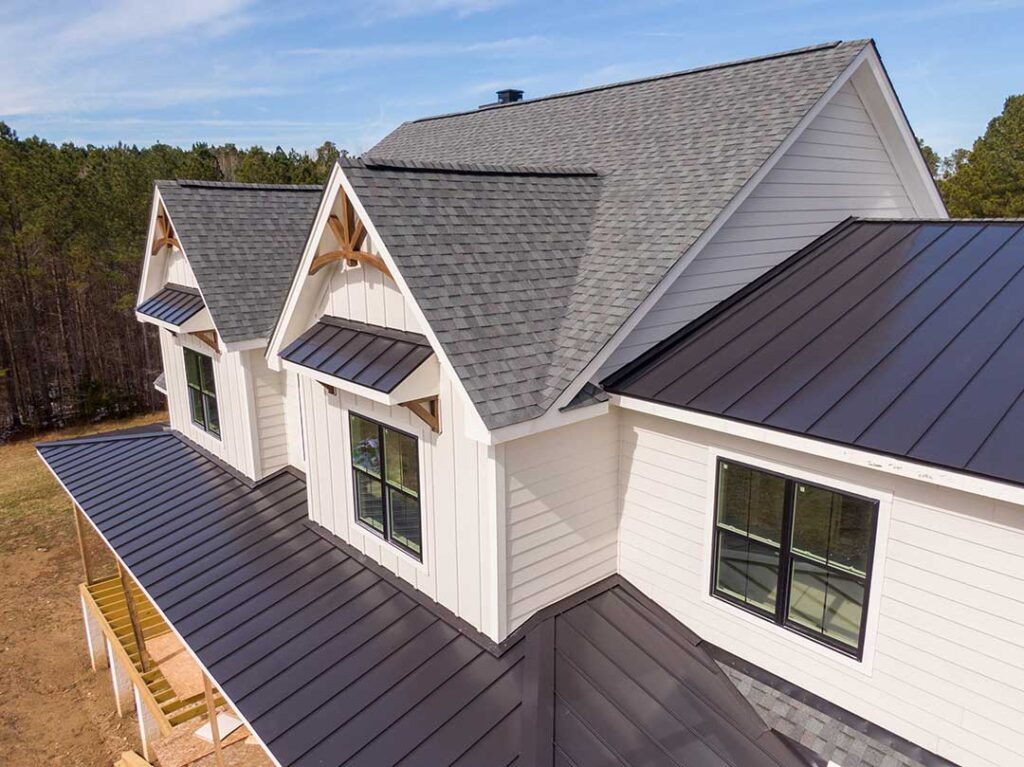
Regular roof maintenance helps prevent small defects from becoming leaks, structural damage, or expensive interior repairs. For households in Whitesboro, NY, seasonal snow, ice, wind, rain, and repeated freeze-thaw cycles make routine observation especially useful.
What does regular roof maintenance include?
Regular roof maintenance is the process of inspecting, cleaning, monitoring, and correcting minor roof problems before they become larger failures. It is not limited to replacing shingles or responding to an active leak.
A practical maintenance routine may include:
- Looking for missing, cracked, curled, or lifted shingles
- Checking metal flashing around chimneys, vents, skylights, and roof edges
- Clearing leaves, branches, and other debris from roof surfaces and drainage areas
- Inspecting gutters and downspouts for blockage or sagging
- Looking for damaged vent covers, loose pipe collars, or exposed fasteners
- Examining attic areas for damp insulation, water staining, mold-like growth, or daylight through the roof
- Checking whether water drains away from the foundation after rainfall
Some tasks can be handled from the ground or with a safe ladder position. Walking on a roof can damage roofing materials and creates a fall risk, particularly when the surface is wet, icy, steep, or covered with loose granules.
How does maintenance help prevent leaks?
Maintenance helps identify weak points before water enters the building. Roof leaks often begin with a small opening around a flashing joint, fastener, vent, or damaged shingle. The first visible sign may appear indoors several feet away from the actual entry point because water can travel along roof decking, rafters, insulation, or wall cavities.
A minor defect may not produce a noticeable ceiling stain immediately. During light rain, the roof may shed water normally. During a prolonged storm, wind-driven rain, or melting snow, the same defect can allow enough moisture inside to damage wood and insulation.
Early attention can reduce the chance of:
- Stained ceilings or walls
- Wet attic insulation
- Damaged roof decking
- Peeling paint and deteriorated drywall
- Musty odors
- Mold growth in persistently damp areas
- Rot around roof edges, eaves, or wall intersections
A roof does not need to be visibly collapsing to have a maintenance problem. Moisture damage often develops gradually and remains hidden until the repair becomes more complicated.
Why are seasonal inspections useful in Whitesboro?
Seasonal changes place different demands on a roof. In Whitesboro, NY, winter weather can bring snow accumulation, ice formation, strong winds, and repeated periods of freezing and thawing. Spring then adds heavy rainfall and runoff from melting snow, while summer heat and storms can expose weaknesses that were not obvious during colder months.
A fall inspection is useful because it allows homeowners to identify conditions before winter arrives. Particular concerns include:
- Loose or missing shingles
- Weak flashing
- Blocked gutters
- Low-hanging branches
- Poor attic ventilation
- Areas where snow or ice may collect
A spring inspection can reveal damage caused by winter weather, such as lifted shingles, bent metal, separated flashing, or water intrusion near roof edges. After a major windstorm, heavy rainfall, or unusually large snowfall, an additional visual check is sensible.
Seasonal inspection does not mean the roof must be examined from the surface every few months. Many warning signs can be identified from the ground, attic, or upper windows.
Can roof maintenance extend the life of roofing materials?
Routine care may extend the useful life of a roof by reducing avoidable damage and keeping water-management components working properly. It cannot stop normal aging, and it cannot make an old roof perform like a new one. However, it can help prevent isolated problems from accelerating material deterioration.
For example, a blocked gutter may cause water to overflow repeatedly along the roof edge. That moisture can affect fascia boards, soffits, exterior walls, and nearby masonry. A small opening around a vent may allow moisture to reach the roof decking. A branch rubbing against shingles can wear away the protective surface over time.
Maintenance is most effective when it addresses the cause of a problem rather than only the visible symptom. Replacing a stained ceiling panel without locating the source of moisture does not resolve the roof issue.
What are the financial benefits of routine roof care?
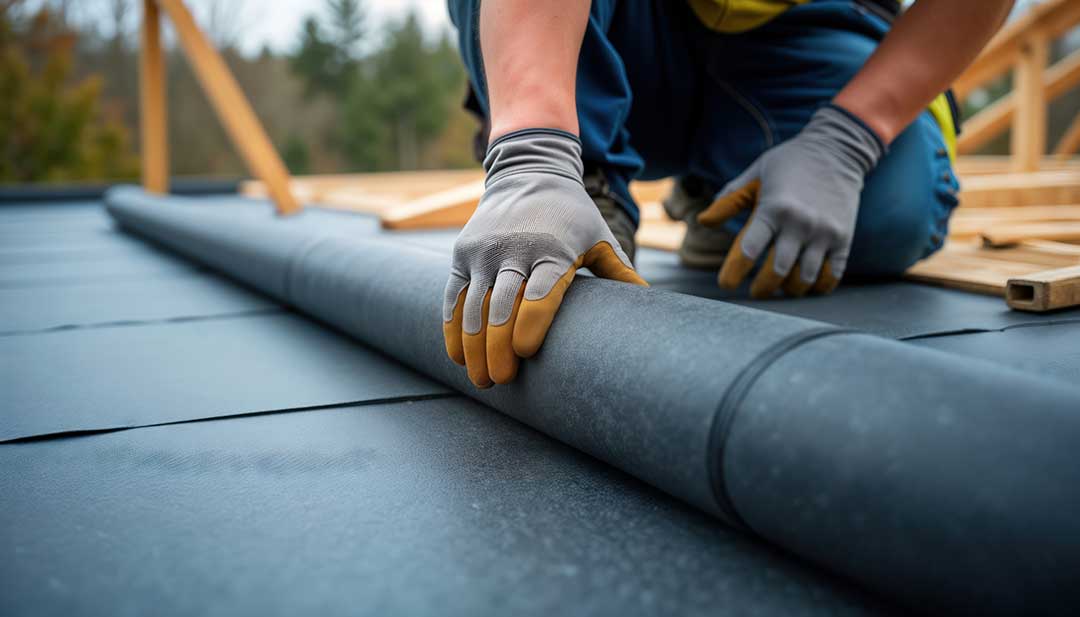
Regular maintenance can reduce the likelihood of emergency repairs and limit the amount of material affected by a defect. A small flashing repair is generally less disruptive than replacing damaged decking, insulation, drywall, and interior finishes after a long-term leak.
Maintenance also helps homeowners plan. If an inspection shows that roofing materials are aging but still functioning, there may be time to prepare for eventual replacement. If several small issues appear at once, documenting them can help determine whether they are isolated repairs or signs of broader deterioration.
Costs may still arise even with proper care. Weather damage, aging materials, ice-related problems, and hidden construction defects cannot always be prevented. The benefit of maintenance is not a guarantee of zero repairs; it is a better chance of finding problems while they remain manageable.
What roof problems should not be ignored?
Some warning signs deserve prompt attention because they can indicate active water entry or a loss of roof integrity.
Watch for:
- Water stains that grow or darken after rain
- Damp insulation or visible moisture in the attic
- Shingles found in the yard after wind
- Large areas of missing, cracked, or curled shingles
- Sagging roof lines or uneven decking
- Rusted, separated, or visibly damaged flashing
- Ice buildup that repeatedly forms along the roof edge
- Gutter sections pulling away from the house
- Daylight visible through the roof sheathing
- Interior bubbling, peeling, or unexplained musty odors
Active leaks, structural sagging, electrical hazards near wet areas, and roof surfaces covered by ice should not be treated as do-it-yourself maintenance tasks. Staying out of the affected area and arranging a qualified inspection may be necessary for safety.
Does cleaning a roof always improve its condition?
Cleaning can help when leaves, branches, moss, or other debris interfere with drainage or retain moisture. However, aggressive cleaning methods can shorten the life of roofing materials. High-pressure washing, scraping, or walking carelessly across shingles may remove protective granules or cause cracking.
Gutters and downspouts deserve particular attention because they control where roof water goes. They should allow water to move freely and discharge far enough away from the foundation. During autumn, leaves can accumulate quickly, and winter freezing can turn a minor drainage problem into a heavier ice-related issue.
Vegetation near the roof should also be monitored. Branches that touch or overhang the roof can rub against shingles, drop debris, and provide access for animals. Any trimming near utility lines or difficult locations requires extra caution.
How can homeowners keep useful maintenance records?
A simple record can make roof care more organized. Note the date of each inspection, weather conditions, visible concerns, photographs, and any repairs completed. Keeping receipts, material information, and prior inspection notes together can help identify recurring problems.
A maintenance record is also useful when evaluating whether damage is new or longstanding. Photographs taken from the same ground-level locations can show changes in shingle condition, flashing, gutters, and roof edges over time.
The most useful approach is consistent observation: inspect safely, respond to warning signs, keep drainage clear, and pay attention to changes after severe weather. For local homes exposed to snow, ice, rain, and seasonal temperature shifts, that steady attention can help preserve the roof’s protective role and reduce avoidable damage inside the house.
