

What Are the Typical Triggers for Residential Roof Leaks?
Most roof leaks in Whitesboro, NY are the result of a handful of preventable issues. Weather exposure, installation flaws, and natural aging all play a role. Local residents often discover leaks during rainy spring periods, after heavy snowfall, or following rapid temperature changes.
Though there are many possibilities, the same core culprits tend to appear:
- Blocked or damaged gutters and downspouts
- Worn or missing shingles
- Flashing failures around chimneys, skylights, or vent pipes
- Ice dams along roof edges in winter
- Improper attic ventilation or insulation
Understanding the specific vulnerabilities common in the city’s typical homes gives area households a clearer path to prevention.
How Can Damaged or Missing Shingles Lead to Leaks?
When shingles are cracked, curled, or blown away by strong winds, the waterproof barrier they provide is broken. Local roofs are often put to the test during late autumn windstorms and in freeze-thaw cycles that make shingles brittle. Even a single missing shingle can allow water to seep underneath, exposing the underlying wood to moisture damage and, eventually, leaks inside the home.
In Whitesboro’s humid summers and cold, snowy winters, roofing materials degrade faster than in milder climates. Inspecting for warped or missing shingles after storms, and especially after ice events, is a routine step for many in the community.
Do Gutters and Downspouts Cause Problems?
Clogged or broken gutters are a leading source of roof leaks in local neighborhoods. When gutters back up with leaves (a common problem every fall), water cannot properly drain off the roof. Instead, it pools along the edge, where it can:
- Soak under shingles, especially if old or misaligned
- Find its way into fascia boards, causing rot and seepage
- Freeze in winter, causing ice dams that force water beneath the roofing
Regular cleaning—especially before and after the snowy season—is essential for Whitesboro residents to prevent hidden leaks stemming from poor drainage.
How Does Flashing Failure Create Issues?
Metal flashing is installed around chimneys, roof vents, skylights, and valleys to direct water away from seams. If the flashing rusts, cracks, or is not sealed tightly, gaps can form. In Whitesboro’s climate, frequent freeze-thaw cycles cause flashing to expand and contract, making it a spot that often fails sooner than the neighboring roofing materials.
Leaks around chimneys, attic pipes, or where two rooflines meet often trace back to deteriorated or misplaced flashing. Even well-intentioned DIY repairs sometimes leave a vulnerable spot if flashing isn’t sealed or lapped correctly.
What Role Do Ice Dams Play in Winter Leaks?
Ice dams form most winters throughout Whitesboro, especially on older homes with poor attic insulation. When warm air from inside the home escapes into the attic, it melts the snow sitting on the upper parts of the roof. That water can trickle down and refreeze at the colder eaves, where an icy ridge builds up and blocks further runoff.
As ice thickens, pooled water can lift up the lower shingles and leak directly into the roof deck and attic, even days after a storm. Local residents sometimes first notice stains on upper walls or ceilings, which are easily mistaken for plumbing problems if the timing isn’t recognized.
Can Poor Attic Ventilation or Insulation Lead to Leaks?
Improperly vented or insulated attics are another quiet contributor. Without adequate airflow, moisture builds up inside attics, leading to:
- Condensation forming on roofing nails or sheathing
- Accelerated roof deck rot, softening the structure
- Higher chances of ice damming in winter
In midsummer, lack of ventilation also causes excessive heat build-up, making shingle materials deteriorate faster and lose their ability to keep out water. Many homes in Whitesboro, especially those built before the 1980s, were constructed with minimal regard for attic airflow, making periodic ventilation updates a wise preventative measure.
What Are Some Overlooked or Unusual Sources of Leaking Roofs?
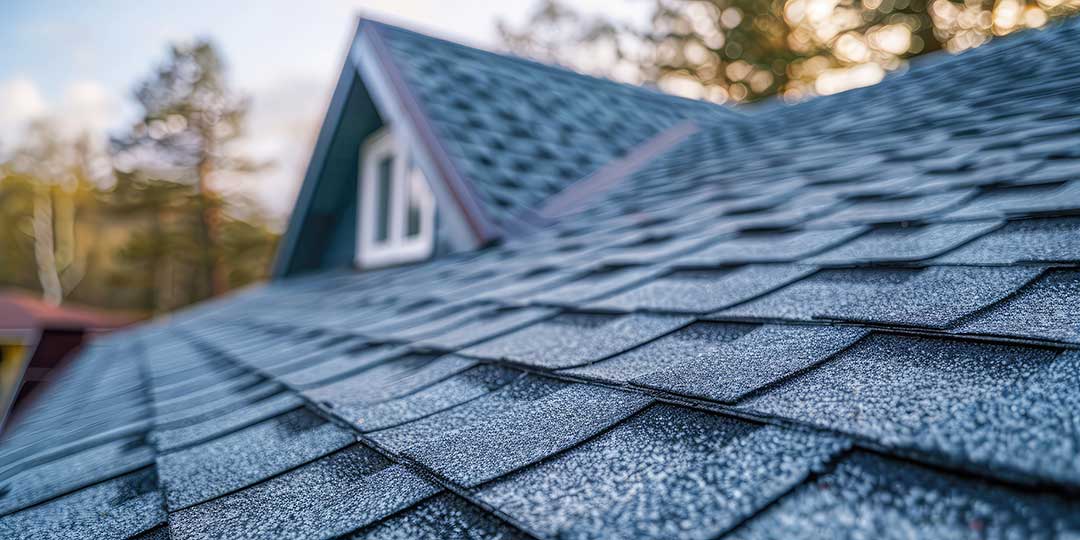
Residents sometimes overlook less obvious sources that still lead to significant water intrusion:
- Cracked rubber boots around vent pipes: These seals, made from flexible rubber, eventually dry out and split, particularly with stark seasonal temperature changes.
- Satellite dish or solar panel mounts: Any new holes made in a roof’s surface, if not properly flashed and sealed, can be a starting point for leaks.
- Debris piles: Pine needles, seed pods, or even moss can trap moisture against roofing materials in shaded spots, common along tree-lined streets and backyards.
Periodic home checks after wild weather or during routine chores can help catch new vulnerabilities before they become serious.
Are Some Roof Leaks Misdiagnosed as Other Problems?
Water stains or ceiling drips are not always due to roofing problems alone. Common misinterpretations in area homes include:
- Blaming a roof leak when condensation in the attic (from poor insulation) is dripping onto the ceiling
- Mistaking chimney or masonry leaks, which actually enter through cracked mortar, for a roof issue
- Confusing plumbing stack leaks for a failing roof, especially when vent pipes protrude through the attic
Understanding that water can travel a surprising distance from its entry point before showing inside helps residents look beyond just the most visible cause.
How Do Seasonal Changes in Whitesboro Affect the Risk of Roof Leaks?
Climate patterns in Whitesboro create unique stresses throughout the year:
- Heavy spring rains quickly expose weak points in older roofs
- Fall leaf drop fills gutters even for vigilant homeowners
- Deep snowfalls followed by sudden thaws lead to frequent ice dams
- Sunny summer months cause gradual drying and cracking of shingles or sealants
Timing roof inspections or maintenance to these seasonal patterns helps many households stay ahead of problems, reducing the risk and costs associated with surprise leaks.
